Your 'Me Time' Has a Billing Cycle Now: A Satirical Buyer's Guide to Being a Human
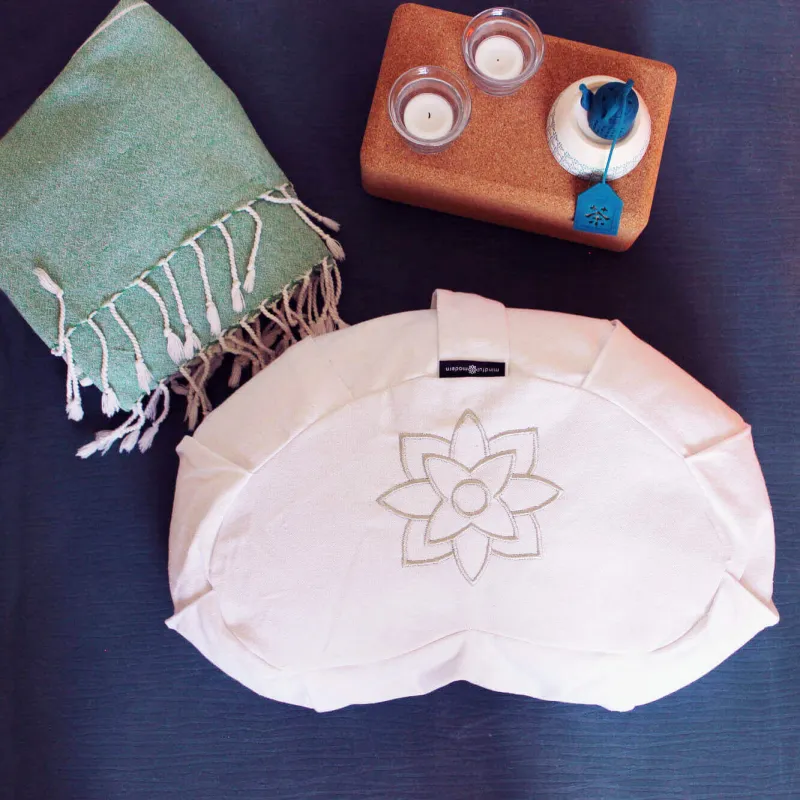
Photo: pastel meditation cushion candle flat lay wellness products, via cdn.shopify.com
Last Tuesday, I received an email with the subject line "You deserve to slow down 🌿" from a company that sells $89 weighted eye pillows. Twenty minutes later, a different company emailed to tell me my cortisol was "probably a problem," and that their adaptogenic mushroom powder could help, for the low price of $64 a month. By lunch, a third brand had wished me peace on my healing journey, which — and I cannot stress this enough — is a journey I was not taking until their Instagram ad told me I was on one.
Welcome to the Self-Care Industrial Complex, where everything you could do for free is now available at three price tiers and a waitlist.
Water, But Monetized
Drinking water used to be a thing you did when thirsty. Now it's a personality. There's a giant pastel jug with hour markers on it, a subscription app that shames you for hydration debt, and — I checked — a "hydrogen-infused wellness water" that costs $7 a bottle and does, scientifically speaking, nothing.
The free version: a cup. From your cabinet. Fill it with the stuff that comes out of your wall. I know. Revolutionary. The water bottle industry made $11 billion last year convincing Americans that a faucet was a lifestyle gap.
Rest Has a Price Point Now
Somewhere along the line, "taking a nap" became "engaging in intentional rest architecture." You can buy a nap at a studio now. There are nap pods in airports that charge by the minute — which, fine, airports are purgatory — but there are also nap coaches, sleep rituals, and a $200 "restorative rest set" that is a blanket. It is a blanket that costs $200. Your grandmother had one. It was on the couch. It had a faint smell of cigarette and unconditional love.
The free version: lie down. Close eyes. That's it. That's the whole practice. The wellness industry took the single easiest thing a mammal can do and added a funnel.
Boundaries: Now in Subscription Tiers
Setting a boundary used to cost exactly one awkward sentence: "No, I can't make it." Now there are boundary workbooks ($32), boundary journals ($24), boundary coaching intensives ($897 for six weeks), and a masterclass where a woman with a ring light explains that saying no to brunch is "radical self-actualization."
The free version: say the sentence. Feel bad for approximately nine minutes. Move on with your life. You just saved $897, which you can now spend on something with an actual return, like a savings account or a truly irresponsible amount of takeout.
The Mock Shopping Guide You Didn't Ask For
Since the algorithm demands a list, here is Abig Lime's official Self-Care Industrial Complex buying guide, with honest free equivalents:
- $145 "Grounding Meditation Cushion" — Free equivalent: the floor. The floor is right there. It has supported every human in history.
- $38 "Digital Detox Box" (a box you put your phone in) — Free equivalent: a drawer. Any drawer. One drawer.
- $26/month Gratitude App — Free equivalent: thinking "huh, that was nice" once per day. You're welcome. That was the app.
- $95 "Ceremonial Cacao" — Free equivalent: hot chocolate, which is the same thing wearing a sports coat.
- $60 "Anxiety Candle, Scent: Stillness" — Free equivalent: opening a window. The outside has smells. All of them free.
To Be Fair, Some of You Need the Jugs
Here's the uncomfortable part: the wellness industry exists because we're wrecked. Two jobs, no vacation, healthcare tied to the job you can't take a break from — of course people will pay $40 for a bath bomb that whispers "you are enough." When the actual systems won't give you rest, buying a candle shaped like rest is a rational response to an unreasonable country.
But let's not pretend the candle is the fix. The $2 billion self-care market didn't notice you were tired out of compassion. It noticed you were tired out of revenue potential. Your burnout is somebody's Q4.
So drink your tap water. Nap on the couch under grandma's blanket. Tell brunch no. And if you must buy something, buy the good cheese. Cheese never once emailed me about my healing journey.